

Why DeFi security feels messier than the UX lets on — and how a multi-chain wallet can help

Wow! I started fiddling with multi-chain wallets last year after losing access once. My first reaction was equal parts curiosity and guarded skepticism. Most wallet ads promise seamless bridging, but reality felt messier than that. Initially I thought the browser extension ecosystem was just about flashy UX, but then I realized the true battleground is subtle security trade-offs that show up only when you actually move funds across chains and deal with approvals.
Really? You click approve and you hope you’re not giving away your keys. On one hand convenience is intoxicating, but there are real attack surfaces. Browser extensions sit in your Chrome profile and can be targeted by phishing, supply-chain attacks, or other malicious extensions that escalate privileges. My instinct said that isolating permissions and surfacing clear intent would help, though actually the deeper problem involves how wallets model approvals across different chains where token standards and router contracts vary wildly and user expectations lag behind technical reality.
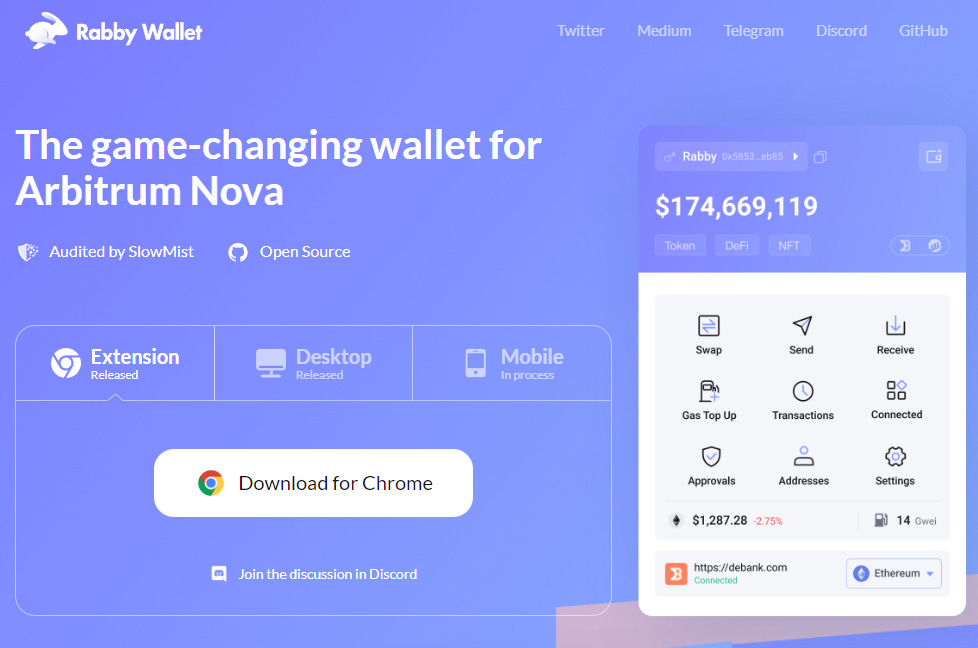
Whoa! One wallet that changed my workflow recently is Rabby. I liked its approach to multi-chain management and session handling. I tried setting up multiple accounts, linked hardware, and walked through a cross-chain swap testnet flow. I noticed a few UI choices that made certain risks clearer, and though I’m biased toward tools that give more visibility, some features still hide complexity behind friendly language, which can mislead less experienced users when signing complex permit transactions.
Hmm… Security in DeFi is partly about tools, and partly about habits. Small decisions compound quickly: a single sloppy approval can cost thousands of dollars. I still see people approve infinite allowances because the UI makes that action very easy, and many users don’t understand the downstream consequences or the mechanics of token approvals. Something felt off about ubiquitous infinite approvals, so I began testing wallets for granular revoke flows and clear transaction breakdowns, which revealed that many popular extensions gloss over contract calldata and call trees, leaving users to trust abstractions without verification.
Okay. Here’s what really bugs me about current wallet design patterns. They prioritize speed and low-friction UX over explicit consent and explainability. That trade-off works for experienced traders but backfires for casual users moving funds for the first time. On one hand speedy onboarding reduces friction and increases adoption, though actually when onboarding sacrifices transparency you create systemic risk because a large cohort of users won’t recognize suspicious approvals or rug tokens, which amplifies attack vectors across chains.
Seriously? I tried using Rabby for a week and I documented pain points. Some interactions were smoother, and approvals were easier to manage. Other parts felt complicated, especially when unfamiliar permit standards appeared in the calldata and the wallet didn’t translate the intent into plain English for me or my test accounts. Initially I thought the absence of constant pop-ups would be an advantage, but then realized that burying warnings in UI flows without interruptive confirmations sometimes decreases attention and increases blind acceptance during fast trades.
Here’s the thing. Good multi-chain wallets combine visibility, micro-permissions, and explicit revoke mechanisms. They also offer hardware integration and session-based connections to dapps. A wallet should explain what a permit does in plain language, not just show hex and token IDs. If a wallet surfaces the destination contract, token allowance changes, and a risk score that is auditable, then users are empowered to make informed choices, whereas vague phrases like ‘approve’ or ‘confirm’ without context leave important questions unanswered and expose users to social engineering.
Yikes! I don’t have all answers, and I’m not 100% sure about every edge case. But practical steps you can take right away will reduce exposure. Use hardware wallets for large holdings, set explicit allowance caps, regularly revoke unused approvals, and consider session-based connections to dapps to scope access when possible. My recommendation is to try wallets that prioritize secure defaults and clear approval UX—if you want to test Rabby quickly then follow a verified source for the download and run it on a fresh browser profile or testnet, because taking incremental precautions prevents costly mistakes and builds better habits over time.
Where to get Rabby and a quick setup tip
If you’re interested in trying it, grab the rabby wallet download from a trusted page (verify the URL and checksum when available) and install it into a clean Chrome or Brave profile so you can test with small amounts first.
I’ll be honest: some parts still bug me, like inconsistent wording across dapps and wallets (very very confusing sometimes). I’m biased toward tools that give users more, not less, context. Somethin’ about seeing the raw calldata nudges me to verify before signing. Oh, and by the way, keep your seed phrase offline and segmented across locations if you can…
FAQ
Is a browser extension wallet safe enough for large positions?
Short answer: use hardware for large holdings and use extensions for convenience or day-trading only. Combine a browser extension with hardware integration when possible, and maintain separate profiles for different risk levels.
How do I spot a risky approval?
Look for requests that change allowances to ‘infinite’, involve unfamiliar contracts, or ask for multi-step permissions; if the wallet doesn’t show a plain-language summary, pause and verify on a block explorer or with a trusted tool.